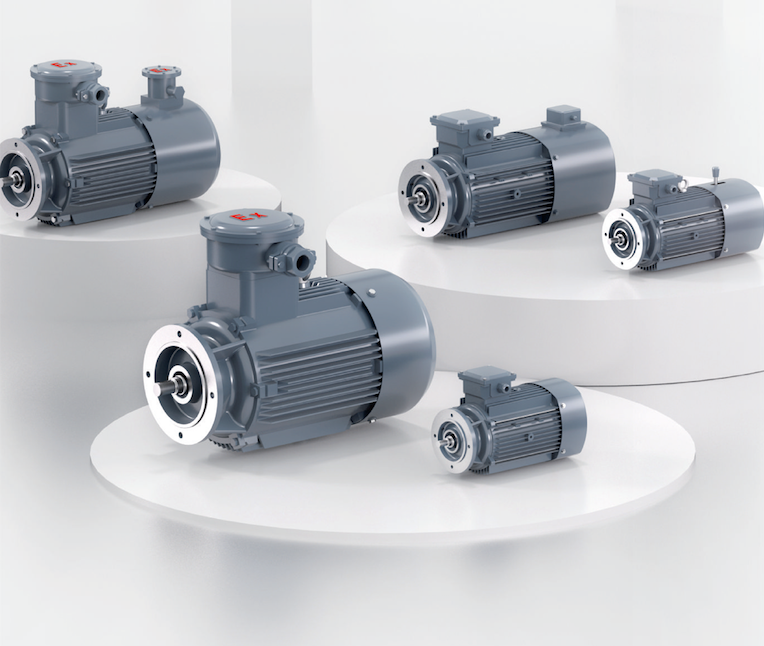
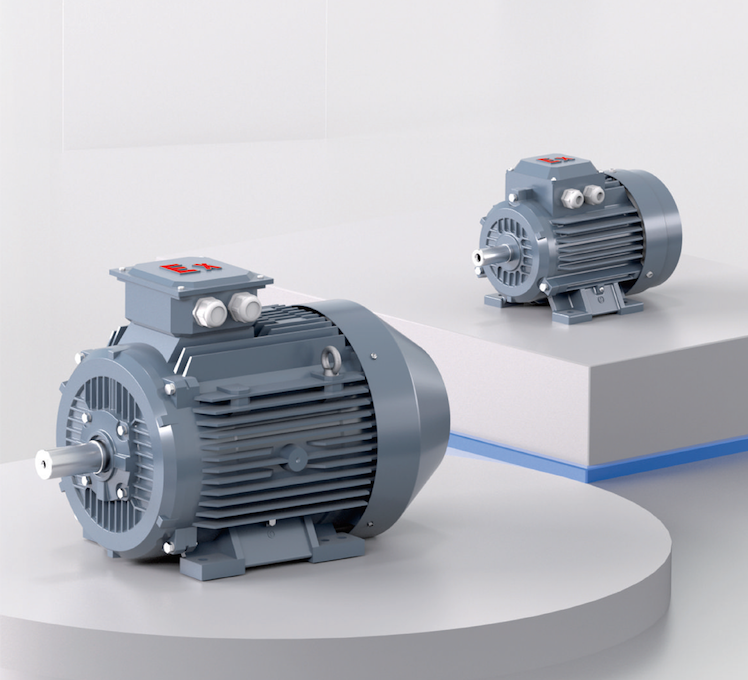
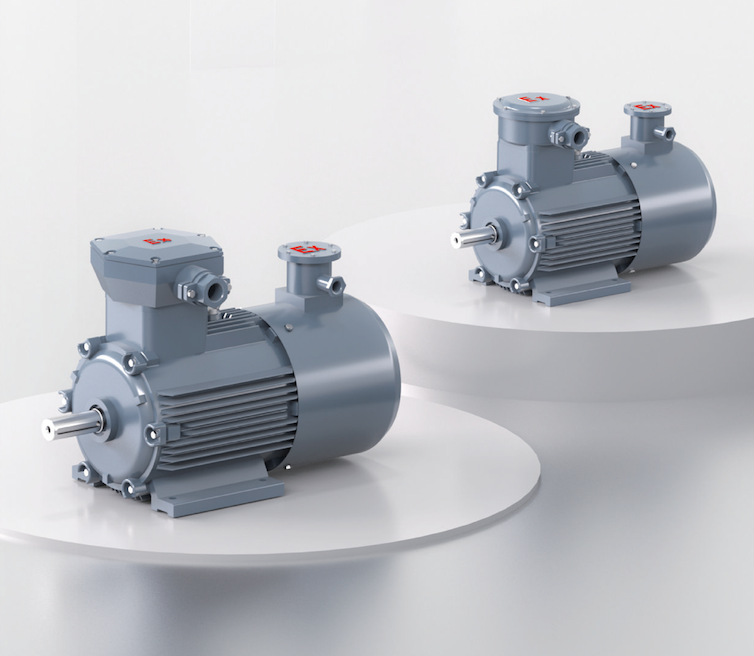
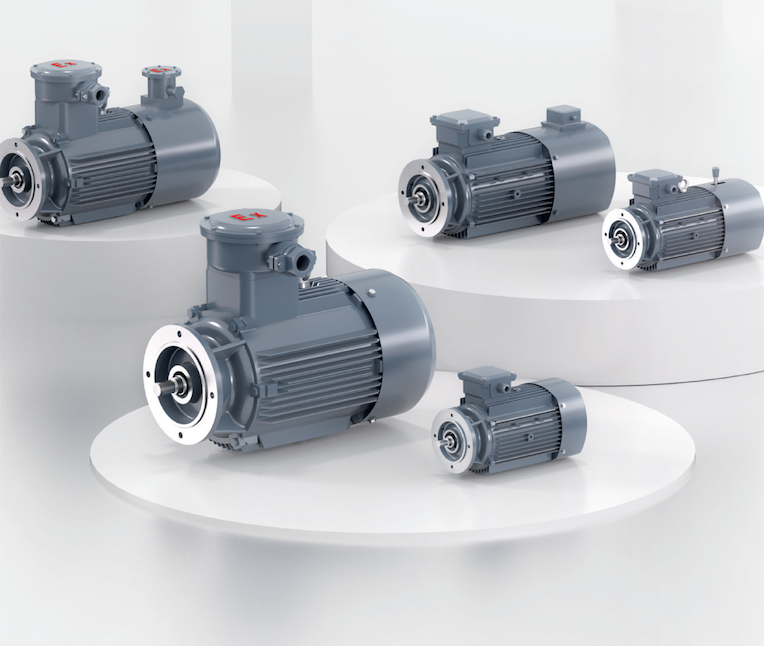
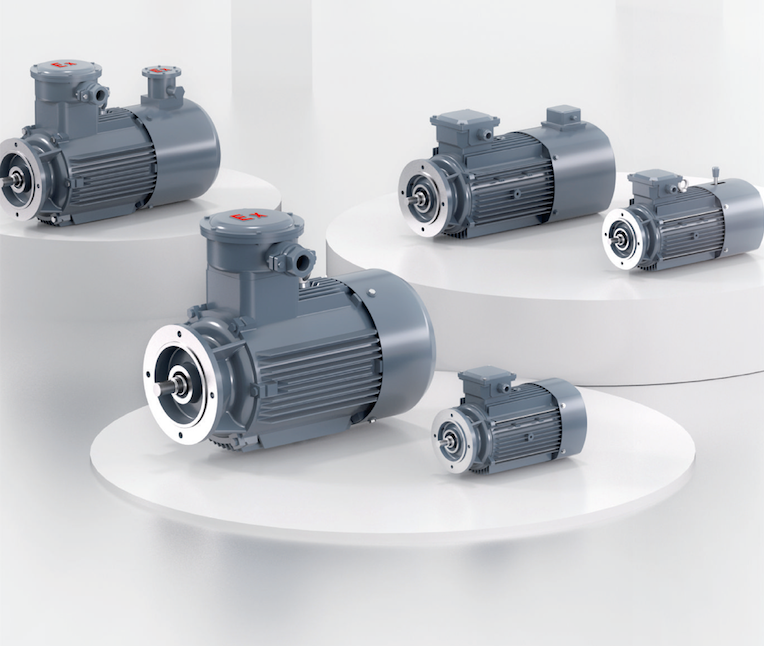
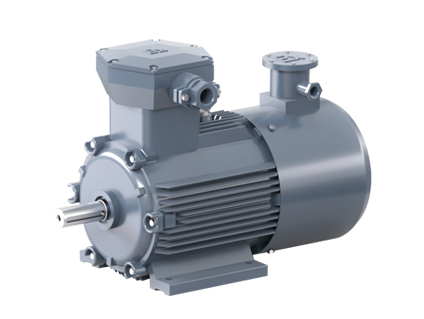
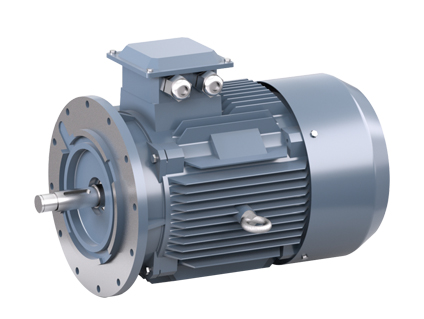
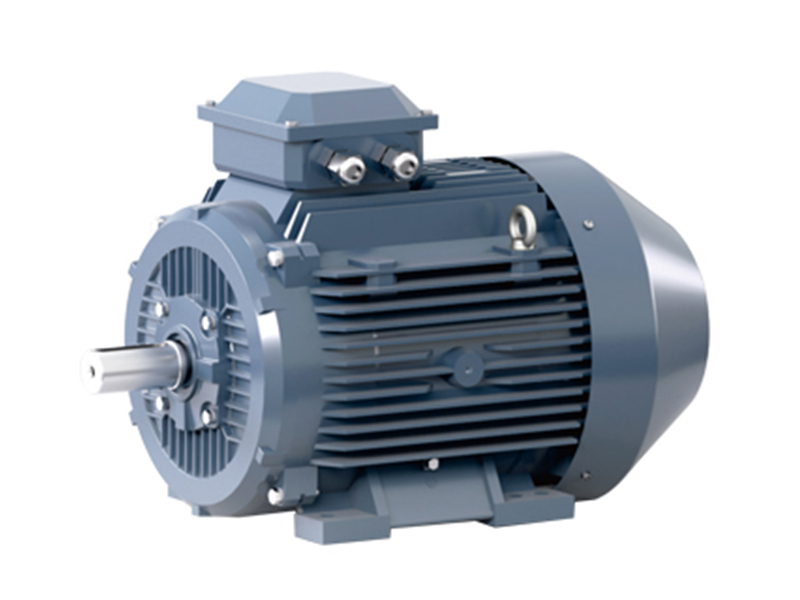
Explosion-proof motors are power equipment specially designed for environments prone to flammable and explosive substances. They are equipped with a special structure to prevent internal electric sparks or high temperatures from igniting external explosive gases, dust, and other hazardous substances. The core design includes a flameproof enclosure, optimized sealing, and enhanced material corrosion resistance, ensuring safe operation in hazardous locations.
1. Technical Features
Explosion-proof performance
The design is of explosion-proof type, with the enclosure capable of withstanding internal explosion pressure and preventing flames from escaping;
The sealing structure isolates electrical components from the external environment, preventing the generation of arcs or sparks.
Materials and protection
The enclosure is mostly made of stainless steel or coated with anti-corrosion materials, suitable for harsh environments such as acid and alkali, and humidity;
The protection level is at least IP55, higher than the standards of ordinary motors such as IP23/IP44.
Operation optimization
The use of F-class insulation materials, with temperature rise evaluated according to B-class standards, ensures stability in high-temperature environments;
Some models are equipped with pressure release devices and grounding protection, enhancing safety.
II. Classification
According to the explosion-proof principle
Explosion-proof type, positive pressure type, spark-free type and dust explosion-proof type.
Explosion-proof motor applications
Special motors for use in coal mine conveyors, oil and gas equipment, chemical fans, laboratory equipment, etc.
Other classifications
By voltage level: high-voltage explosion-proof motors, low-voltage explosion-proof motors;
By function: high-efficiency type, high-speed slip type, high starting torque type.
III. Application fields
Explosion-proof motors are widely used in the following high-risk industries:
Energy and chemicals: oil and gas extraction, chemical plant ventilation, gas facilities;
Mining and tunnels: underground ventilation in coal mines, harmful gas emission in tunnels;
Manufacturing: pharmaceutical dust treatment, metallurgical workshops, grain processing;
Public facilities: underground garages, urban gas pipelines, laboratories.