I. Application Environment
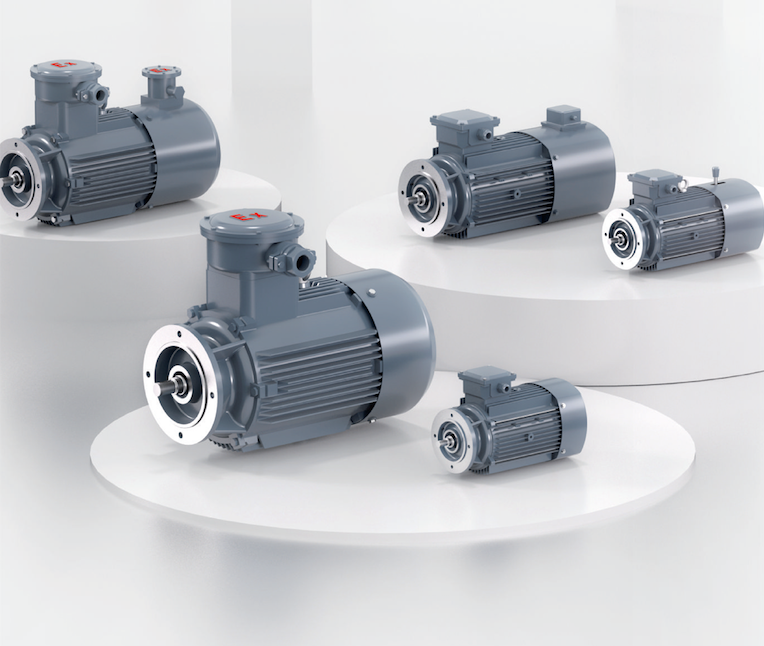
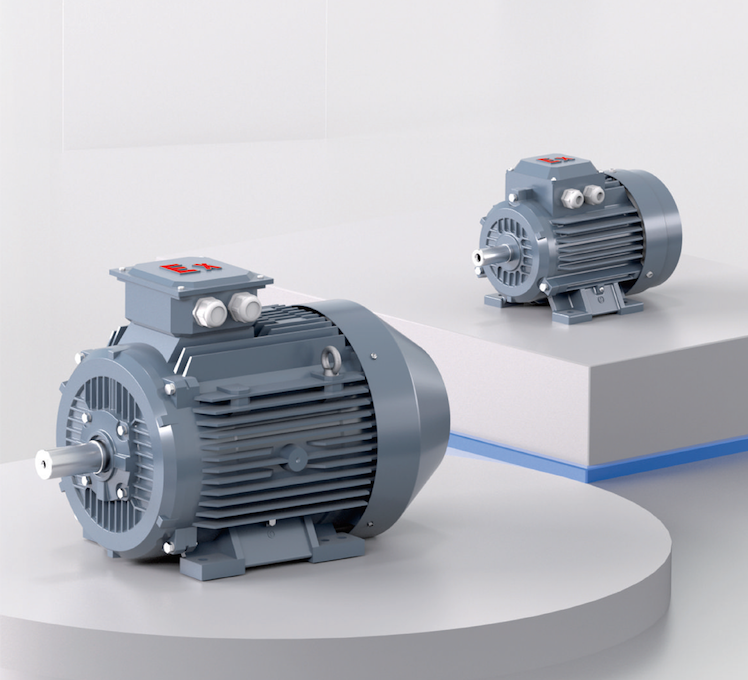
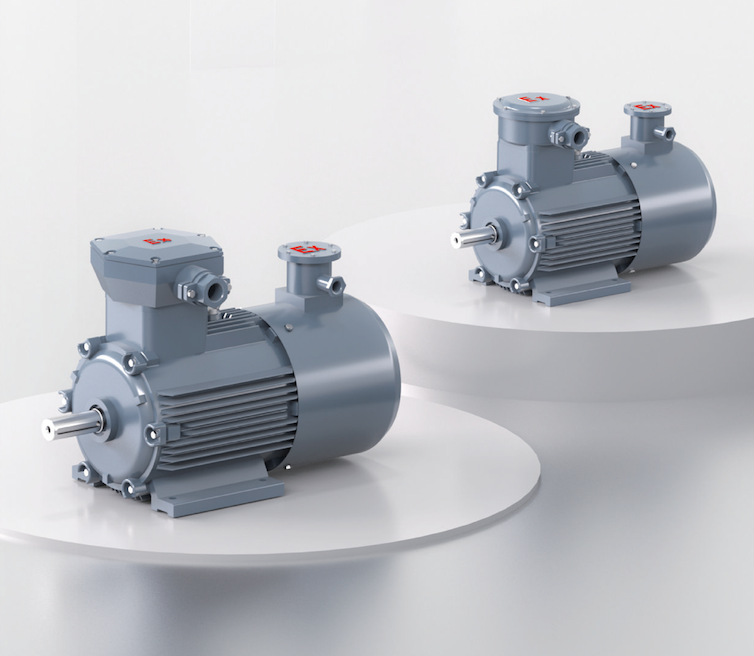
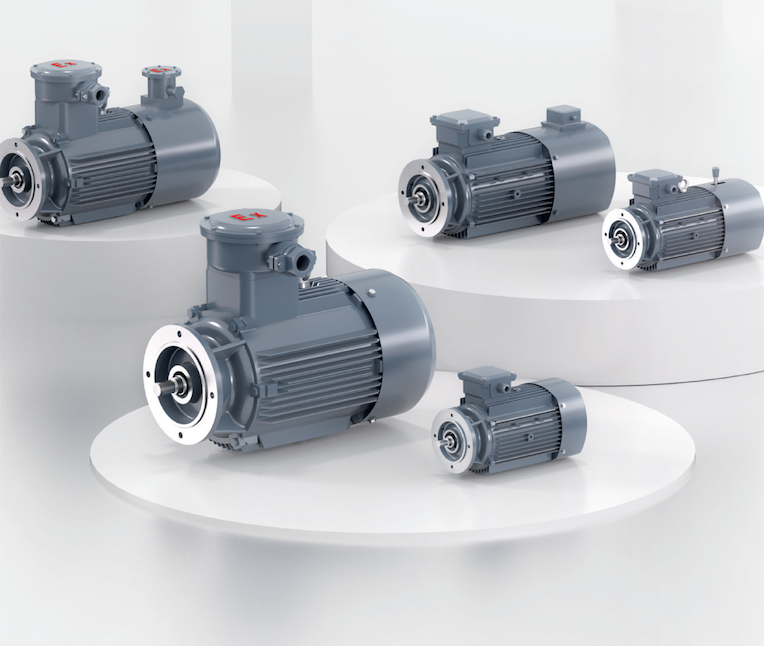
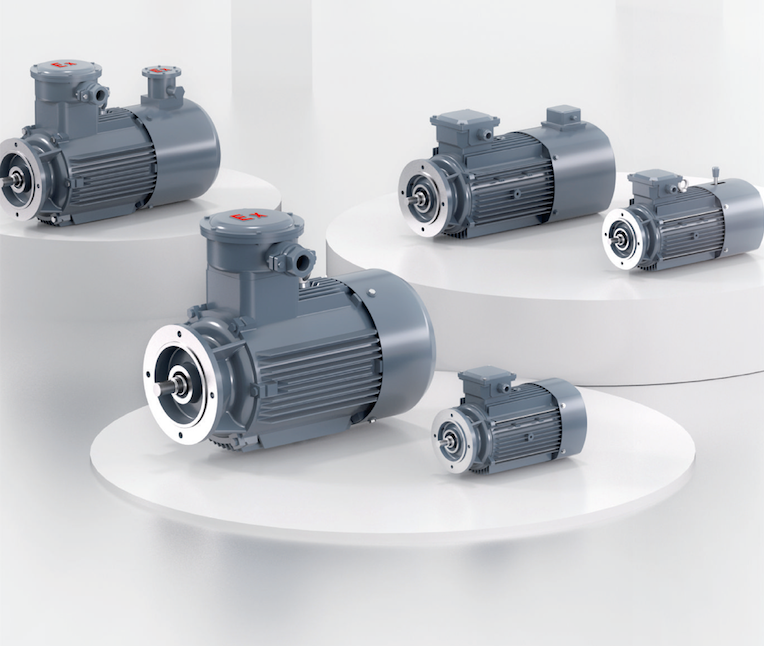
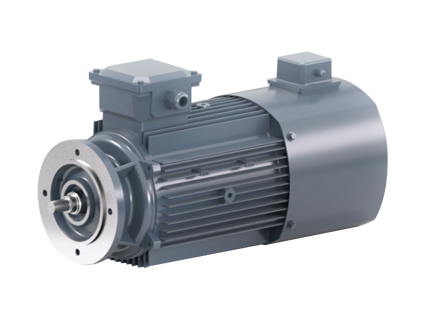
1. Explosion-proof motor
Designed specifically for flammable and explosive environments, such as coal mines, petrochemical plants, natural gas, and dust environments, etc.
It does not generate electric sparks during operation, thus avoiding the ignition of explosive gases or dust.
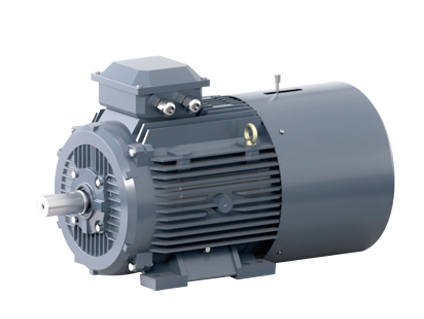
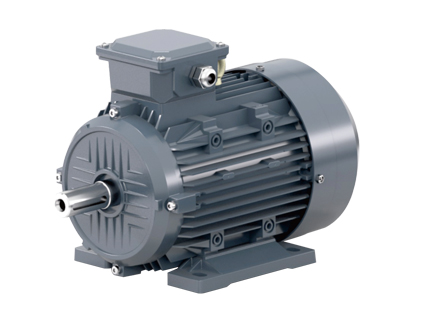
2. Ordinary motor
Suitable for conventional environments without explosion risks, such as manufacturing, household appliances, etc.
II. Structural Design
1. Shell Material and Strength
Explosion-proof motor: Uses high-strength cast iron or steel plates, capable of withstanding internal explosion pressure and preventing flames from escaping.
Ordinary motor: The shell material is lighter and is only used for dust and water protection, without explosion-proof capability.
2. Sealing Performance
Explosion-proof motor: The wiring box, bearings, etc. adopt special sealing design, with the minimum protection level of IP55.
Ordinary motor: The sealing performance is poor, and the protection level is mostly IP23 or IP44.
3. Heat Dissipation and Temperature Control
Explosion-proof motor: Equipped with an efficient heat dissipation system to ensure the surface temperature is lower than the ignition point of the explosive medium; some models have built-in temperature control devices.
Ordinary motor: The heat dissipation design is simple, and there is no temperature control function.
III. Safety Performance
1. Explosion-proof Capability
Explosion-proof motor: Through explosion-proof structures and enhanced safety designs to suppress the spread of explosions, some models support positive pressure blowing or dust explosion prevention.
Ordinary motor: Has no explosion-proof design, and there is a risk of explosion due to electric sparks or high temperatures.
IV. Certification Standards
Explosion-proof motor needs to pass national standards certification (such as the Ex mark) and undergo regular re-inspection.
Ordinary motor does not require special explosion-proof certification.
Explosion-proof motor:
Drives pumps, fans, compressors, etc., covering fields such as petroleum, chemical industry, metallurgy, and grain processing.
Ordinary motor:
Used for household appliances, general machinery, etc., non-hazardous scenarios.
V. Types and Categories
Explosion-proof motor:
According to principle, divided into flameproof type, enhanced safety type, positive pressure type, non-sparking type, dust explosion-proof type, etc.; according to use, divided into coal mine transportation machine use, marine use, lifting and metallurgical use, etc.
Ordinary motor:
No special classification, only divided by conventional parameters such as power and speed.